


Inside Nominé-Renard: A Rare Family Gem in Champagne


In an era when Champagne is increasingly defined by the coexistence of global luxury brands and fiercely independent grower-producers, Champagne Nominé-Renard occupies a particularly compelling space between the two: deeply rooted in family tradition, yet progressive in its pursuit of elegance, terroir, and authenticity. Founded in 1960, the house has spent more than five decades building a reputation among sommeliers and Champagne enthusiasts as one of the region’s understated gems, a producer whose wines consistently overdeliver in both character and value.
I first met Peggy and Rémi of Nominé-Renard during the Club Trésors tasting at Le Printemps des Champagnes this past April. Following our initial conversation in Champagne, we later reconnected over Zoom for a more in-depth discussion, one that revealed not only the philosophy and history behind the estate, but also the deeply human spirit that continues to shape Nominé-Renard today.
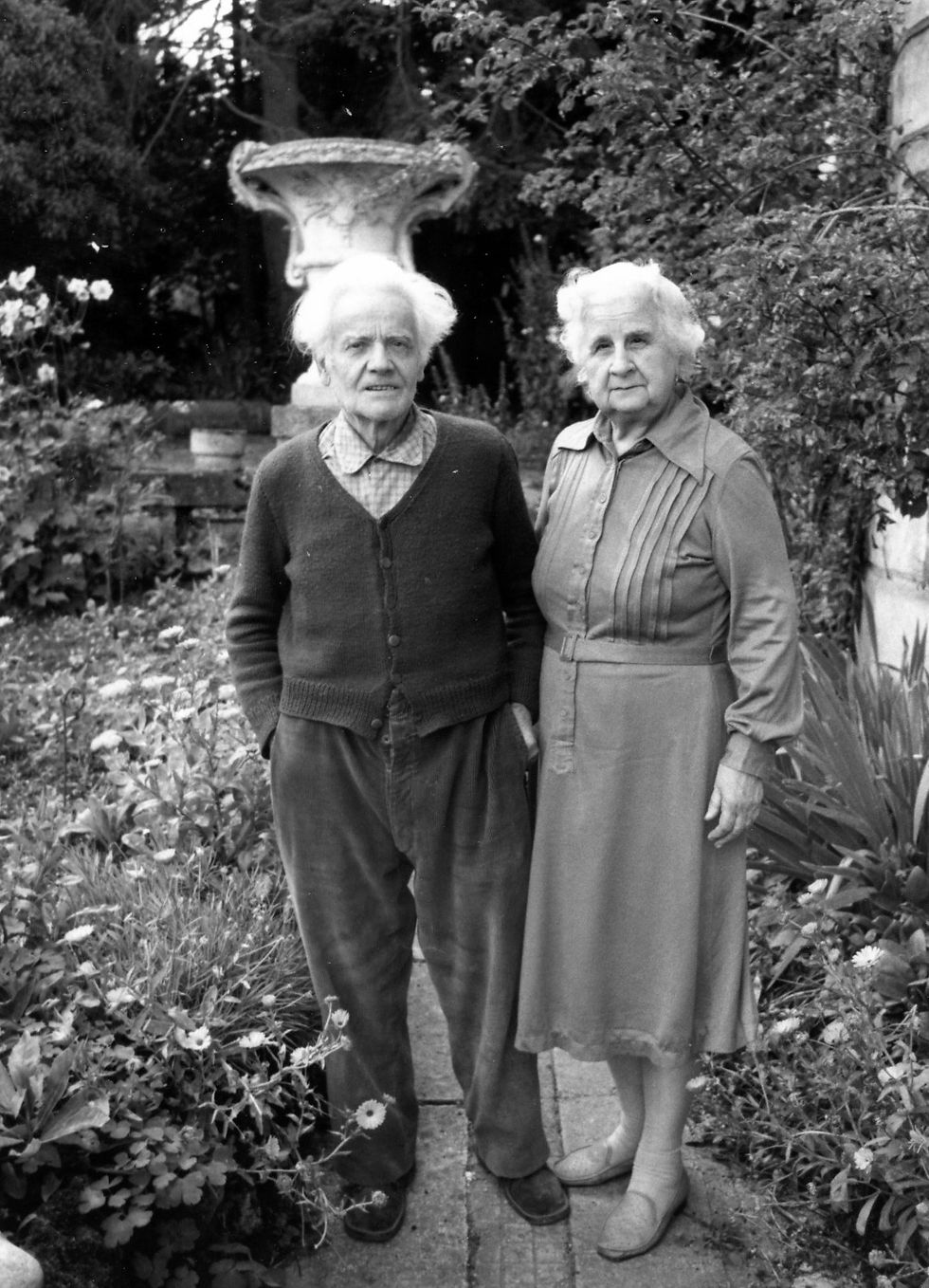
The house itself was born from the union of two families. Founded by André Nominé and Germaine Renard, Champagne Nominé-Renard emerged from a shared desire to move beyond simply growing grapes and begin producing their own wines. “They both wanted to create and produce their own Champagne,” Peggy explained. “So, in 1960 they created the Champagne Nominé-Renard brand with the goal of producing their own Champagne and vinifying part of their vineyard holdings.”
More than fifty years later, the estate remains guided by that same independent spirit. Now led by Simon Nominé, the third generation of the family, the house oversees every step of production as a true Récoltant-Manipulant, from vineyard management to vinification and bottling, maintaining a direct connection between the land, the wine, and the people behind it. “Being a Récoltant- Manipulant means managing the production from the land to the bottle,” Rémi explained. “It is the guarantee of a unique wine, with a sense of place and dedicated people behind the product.”
That sense of continuity defines the estate as much as the wines themselves. The family vineyards long predate the creation of the Champagne house, beginning with historic parcels in Villevenard before gradually expanding during the 1960s into villages such as Allemant, Broyes, and Étoges. Today, Nominé-Renard farms 21 hectares spread across five villages and 36 individual plots, cultivating Chardonnay, Pinot Noir, Meunier and Pinot Blanc across a mosaic of soils and microclimates stretching from the Petit Morin slopes to the Sézannais and the Marne Valley.
“We’re lucky to have a deeply rooted family vineyard heritage,” said Rémi. “There’s a strong sense of terroir that can be found in the profile of our Champagnes.” That diversity forms the backbone of the house style. Each grape variety and every parcel is pressed and vinified separately in order to preserve the identity of each terroir before the blending process begins. “The greatest diversity of wines gives us flexibility for blending,” Rémi explained. “The characteristic of Champagne is to produce and maintain a unique and constant style year after year, despite climate and harvest variations. The art of blending is to maintain the identity of each cuvée.” The resulting library of reserve wines and parcel expressions allows the family to craft Champagnes that are layered, balanced, and remarkably expressive.

Despite the diversity of terroirs, the stylistic vision remains strikingly precise. “We define our wines mainly through minerality and freshness,” Peggy said. “Those are really the two key values we want our wines to express.” As climate change continues to reshape Champagne, preserving that freshness has become both a stylistic goal and an environmental challenge. The estate has expanded its sustainability efforts through soil-focused viticulture, biodiversity projects, natural amendments, and reduced inputs, while earning both HVE and VDC certifications.
“At Nominé-Renard, we stand between tradition and innovation,” Rémi explained. “We have important know-how we want to preserve, both in production methods and human expertise. The objective is to identify innovations that allow us to preserve tradition while responding to climate change.”
That balance between heritage and evolution has shaped every generation of the house. In the early 1970s, Claude Nominé, Simon’s father, introduced a new technical direction after studying oenology, replacing the estate’s traditional oak vinification with an entirely stainless-steel winery. The shift marked a turning point in refining the freshness and precision that now characterize the wines. Alongside his son Simon, Claude also helped expand Nominé-Renard’s international presence throughout the United States, Italy, and Japan since 2010.

The estate also holds a significant place within the history of grower Champagne itself. In 1971, just one year after founding the house Nominé Renard became founding members of Club Trésors de Champagne, the prestigious collective behind the iconic “Special Club” bottlings. Created by a small group of visionary grower-producers determined to demonstrate that artisanal estates could rival the grandes marques, Club Trésors remains one of the most respected and selective organizations in Champagne today. Membership requires rigorous standards and multiple blind tastings before a Special Club wine can be approved for release.

“It represents the image of the Récoltant-Manipulant in Champagne,” Peggy shared. “We need collective strength alongside the major Champagne houses, especially internationally.” Beyond prestige, the club also fosters collaboration among its members. “There’s mutual support among the growers regarding quality and environmental commitments,” she added. “It’s truly a unique collective in Champagne, with strong reputation and prestige.”
For Nominé-Renard, however, excellence extends far beyond a single prestige cuvée. “The Special Club bottles are a sign of our dedication to excellence,” shared Peggy, “but we obviously don’t apply those demands only to that one wine. There’s a consistent philosophy across all our wines.”
Perhaps no bottle reflects that philosophy more clearly than the Brut Nominé, the house’s signature cuvée and the wine the family considers its truest expression. “It’s our traditional cuvée,” Peggy said. “Nearly all the plots from our 21 hectares are represented in it from year to year. It’s truly the Champagne that most reflects the Nominé-Renard identity.”

And yet, beyond terroir, technique, or prestige, the soul of Nominé-Renard remains profoundly human. That spirit is perhaps best embodied by the estate’s emblem, La Vigneronne, a sculpture created in 1968 by regional artist and family cousin Marius Giot. Modeled after Reine-Marie Nominé, the founders’ daughter, as a young harvest worker carrying a wicker basket through the vines, the figure has become far more than a logo. It reflects the deeply generational identity of the house and the enduring connection between family, land, and labor that continues to define the domaine today.
That sense of continuity extends well beyond symbolism. Nominé-Renard remains a small team of just eleven people year-round, many of whom come from families who have worked alongside the estate for generations. “It’s really a living memory,” Rémi reflected. “Rooted in the land.” Peggy also pointed to another detail that quietly distinguishes the house today: the majority of the team is made up of women. “Yes, 64% women,” Rémi noted proudly, a reflection not only of the evolving culture of the estate, but also of the collaborative and deeply personal atmosphere that defines Nominé-Renard.

Ultimately, what the house hopes people experience in its wines is not simply craftsmanship, but emotion. “First, all the work done across generations and by all the men and women who contributed to the estate,” Rémi said. “Second, we want them to enjoy themselves. That’s extremely important, that they take pleasure in drinking our Champagne.” Peggy then added with a smile: “And that they come back. That’s our greatest success.”
In many ways, Champagne Nominé-Renard resists easy categorization. It is at once traditional and forward-looking, expansive in its vineyard vision yet disciplined in its winemaking philosophy. What emerged most clearly from speaking with Peggy and Rémi was not a house driven by trends or stylistic reinvention, but one guided by continuity: continuity of family, of land, and of intention.
As they made clear throughout our conversation, the goal has never been complexity for its own sake, but connection, to the land, to the people behind the work, and to those who ultimately open a bottle. In that simplicity lies something increasingly precious in Champagne today: a house at ease with its identity, and confident in what it continues to become.
For more information visit: https://www.champagne-nomine-renard.com/fr

Comments